


At a dinner party the other evening, we were debating whether we were born lucky or was it that we make our own luck. My own sense is that we can create our own good fortune by taking control of our own life and being aware and receptive to opportunities that come our way, at various times. It is also about recognising that there is far more going ‘for’ us than ‘against’ us. By recognising chances that are ‘for’ you and acting upon the options that are presented, you’ll be able to achieve many of your aspirations.
Even those individuals who are sceptical, have every opportunity to create their own luck. Being ready to seize opportunities when they present themselves is up to every one of us. Whatever our age or situation in life, it is never too late to exercise control by identifying choices and then choosing those that will benefit us. Of course, sometimes we may make the wrong choice, but we can rectify that by then making another!
However, I do agree that some people have greater challenges in their personal lives to overcome than others. Nevertheless, it is possible to make your own luck when you learn to look at adversity as a source of opportunity. That may sound like an oxymoron but, in fact, is true.
Entrepreneurs, for instance, are those who see possibilities that others miss. But they also recognise that their life script is not carved in stone and that one failure doesn’t necessarily preclude future success. As a result of this, they are much more likely to achieve their life’s goals. Successful entrepreneurs rarely talk about their previous failures, only their successes. Think about it!
Luck and Personality
Are you an’ open’ or ‘closed’ personality? Will you go into a coffee shop and start a conversation with someone in order to exchange news, ideas and thoughts or are you a ‘closed’ personality who invariably sits alone? When a meeting or conversation leads to a new business opportunity, or a new friend, was it just a lucky encounter or was it the desire to inquire? Could it just be the law of attraction when energy attracts energy.
So, do you attract opportunities or dis-encourage them? Do you sit and smile or do you sit and frown? Would you want to be with you? Are you friendly and outgoing so that others want to talk to you, or do you have a red light above your head that says ‘keep away!’? It is all about making things happen; using intuition; being receptive; seeking opportunities; attracting luck and keeping your eyes and mind open. Being open to enjoying the experience of learning something new and drawing in enrichment.

There is a world of new possibilities that we come across each day, but you have to keep your mind positive in order to catch them, or they will just fly above you like an Emirates A380. It is also a fact that you will absorb more visual and verbal information when you are in a good mood than when your disposition is bad. Anxiety and stress restrict your vision and impairs your mental acuity, and you can, thereby, miss opportunities that surround you.
There are many factors that determine our success in life but one of the primary ones is the ability to communicate well, preferably in writing as well as verbally. Good communication opens doors and presents opportunities. Poor communication skills mean you never get to open the door to even see the opportunity on the other side! Which way you go will determine whether your life is full of regrets and sadness about paths not taken or alternatively whether you could be one of those people whose life seems to others be full of fortuitous circumstance – or as others say, ‘luck’.
The debate continues but my money goes on carpe diem [seize the day] and if things don’t work out, then take on board the learning that comes with it and move on! Remember that when life delivers a negative moment there is usually a positive lesson hidden inside.
So, are you just lucky or do you make your own luck? What do you think?
Key Points
- There is no such thing as luck, only opportunity
- Do you have a red or green light above your head?
- If there is one ability you need, it’s communication
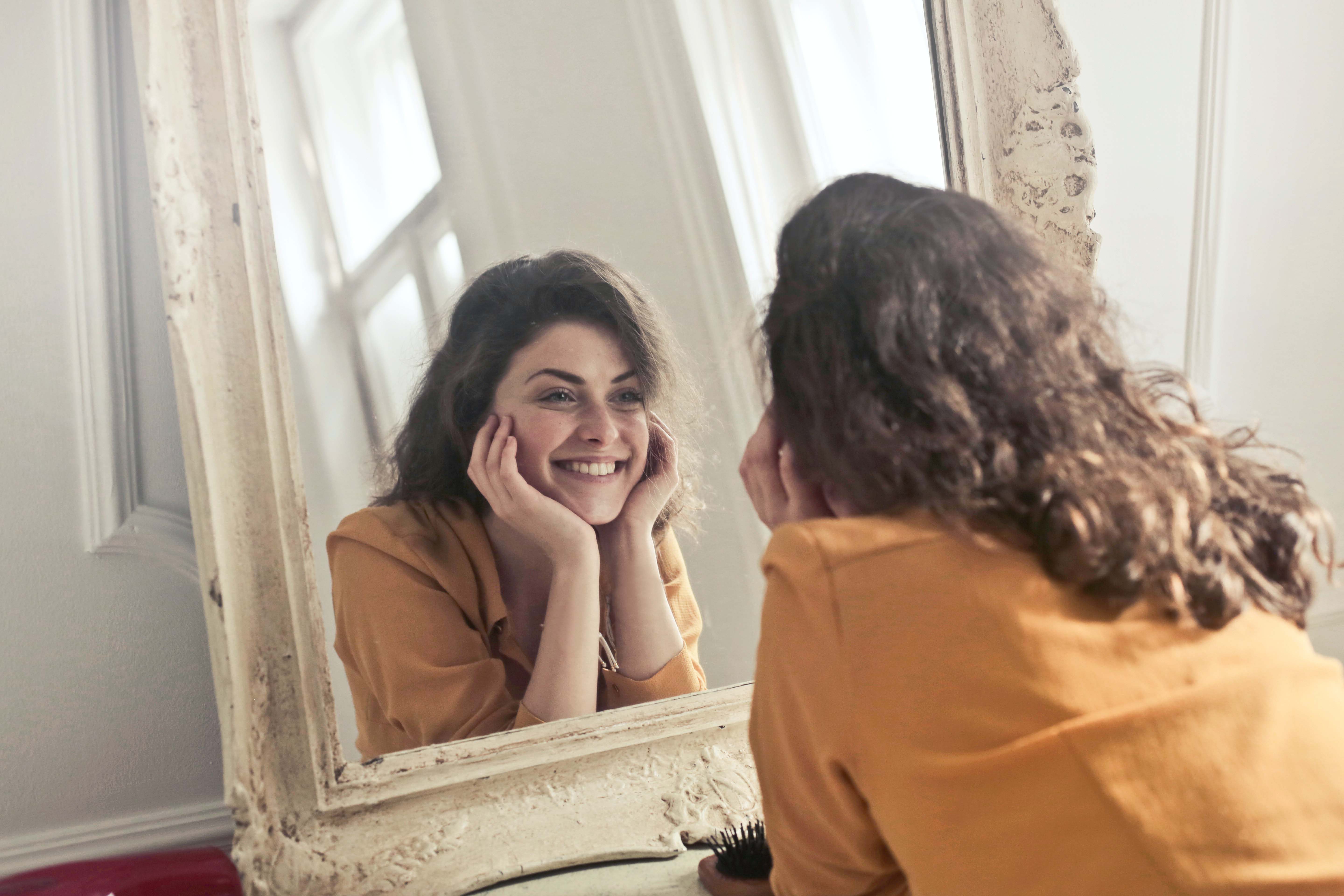
Is your glass half-empty or half-full? When events go wrong in your life, do you automatically go into ‘victim mode’ – saying “How typical that bad things always happen to me!”
Or are you one of those people who can see things from different perspectives and then move on. When events do inevitably go wrong in your life, do you assess why it happened and take the positive learning that comes out of it?
Do you see yourself as a positive or a negative person? Many people actually don’t recognise when they are being negative as it just becomes a way of life to them. They are negative in themselves and they are also negative towards others. They know how to criticise but they never know how to compliment.
Words of encouragement
Jonathan has just written a 1,000 word report and asks Anna, his manager, to give him his opinion on it. Anna reads it and the first thing she does is to criticise it. No mention of ‘well done for getting your thoughts together’, or ‘there is some excellent content here but I would add a few ideas’. The first thought that comes to her mind is to criticise - so how does that impact on the author, Jonathan? We can imagine how deflated he feels. Having spent 3 hours on his report, he then receives no word of acknowledgement on the positive aspects of his work, only the negative.
Jonathan has, therefore, two alternatives: he can either get upset about this and feel demoralised which is probably what will happen. Or alternatively, he can lower his expectation of his boss which means that he will never expect any positive words from her and so he won’t be surprised at the negative response.
This is a damaging scenario that impacts on productivity, but is sometimes how we have to manage. We need to know what is it about Anna that makes it hard for her to find something positive to say to Jonathan. The chances are that she has a negative mindset herself and so this is passed onto other people. She is probably the same at home with her family and never appreciates the good things that happen but is always complaining about the challenges that we all face in all our lives. [It would be interesting to ask her family!] This means that Anna will never be an easy person with whom to live or work.
However, unless someone encourages her to adopt a positive attitude, she will continue in the same way all her life and in all her relationships. It is possible that her negative attitude may even affect her physical and mental health. In fact, the positive results that typically come from an optimistic attitude is a key part of effective stress management.
The good news is that positive skills can be learnt but one has first to be self-aware of inherent negative traits in order to replace them.
 Being positive doesn’t mean that you pretend that there is nothing wrong in the world. However, a positive attitude means that you approach life’s challenges in a more productive way and you tend to work towards the idea that the best is going to happen, rather than the worst.
Positive thinking starts with self-talk. This should be based upon logic, reason or information. When these thoughts are predominately negative then you will tend to act in a pessimistic way but the result is reversed when your thoughts are positive.
So which one would you rather be? I guess you would rather say ‘positive’. So let us look at the following facts:
Positive thinkers usually:
- Are emotionally resilient to deal better with stress, risk, loss, grief and other challenges
- Have an optimistic outlook of life
- Have a stronger immune system
- Are more robust both psychologically and physiologically
The reality is that life is not always easy but I suggest to you that positive thinking gives you a strong belief in your abilities and your approach to problems and therefore enables you to make the most out of any bad situation.
When things go wrong in your life, search for ways in which you can improve the situation and always try to learn from the experience.
Good luck and why not try saying something positive to someone today!
Key Points
Optimism brings definitive benefits to self and others
Negativity reduces performance and is unhealthy
A positive attitude is a state of mind that can be learned
 If someone is going through a difficult time in their life, it might help them to talk. If there is something they are finding difficult to think through, or something that is rather upsetting, then now might be the time for them to confide in a trusted friend.
This is a person that someone may know well and who is able to listen attentively and non-judgementally to what they are saying and not interrupt them with their own opinions or judgements. It can be difficult to hold back personal opinions but that is exactly what is required at such times from a confidante.
However, a trusted friend who is also a good listener is a rare breed of person. Of course, you may think that you are a good listener but active listening is an ability to put your own thoughts on hold whilst giving the speaker your full attention.
Making the time to listen
Active listening takes time and one cannot always stop all else in order to listen attentively. In such an instance, therefore, you would need to sensitively postpone the conversation to another time in the near future without the person concerned feeling rejected. In an ideal world, we would always be able to make time to listen but very often our busy lives do not give us the opportunity to do this.
And what about the person who wants to talk? They may have been feeling anxious and upset for some time but are concerned about approaching you on a personal matter and taking up your time. They know you are busy and have plenty of other things on your mind. Nevertheless, one day, they may summon up the courage to ask if you have the time to talk.
The manner in which you respond to them will make all the difference to helping them feel valued and worthwhile. If that particular moment is inconvenient then it could be really helpful to suggest a firm time later in the day. The main point is not to be dismissive but to show positive interest and concern where appropriate.
Active listening is a communication technique used in counselling, training and conflict resolution, which requires the listener to feedback what they hear to the speaker, by way of re-stating or paraphrasing what they have heard in their own words, to confirm what has been said and moreover, to confirm the understanding of both parties.
 To use the active listening technique to improve interpersonal communication, one puts personal emotions aside during the conversation, asks questions and paraphrases back to the speaker to clarify understanding, and one also tries to overcome all types of environmental distractions. Judging or arguing prematurely is a result of holding onto a strict personal opinion. This hinders the ability to be able to listen closely to what is being said. Eye contact and appropriate body language are seen as important components to active listening. The stress and intonation may also keep them active and away from interruptions.
Being a good listener does not require you to be a counsellor nor does it remove the need for people to seek professional counselling support where appropriate. Professional counsellors are trained to listen and to support people through difficult personal issues and to propose changes in order to better deal with current and/or future problems and challenges. Their remit is to improve the life of the person seeking help and provide a more objective viewpoint with a greater perspective on how to deal with their problems.
In all our lives, there is a place both for an attentive listener and sometimes also for a professional counsellor. The phrase of ‘a problem halved is a problem solved’ comes to mind and, of course, it doesn’t really matter where the help or support comes from, provided it is helpful to the person who requires it.
Key Points
- Being able to talk through a problem is important
- Try to always be an active listener
- We all need a ‘sounding board’ from time to time

Traffic jams, supermarket queues, computer crashes or a crowded metro are all stressors that can upset us and make us angry. We become irritable with our colleagues and shout at our family and loved ones. We become obsessed with trivia and suddenly that which should be the lowest of our priorities, develops into the most important problem in our life.
This is because our expectations are such that everybody will be on time and everything will always work immediately as we expect it to.
The doctor’s appointment was at 9 am so why are we still waiting at 9.30 and consequently being late for work? Our computer unexpectedly crashed again although it was only ‘fixed’ yesterday and now that vital report will be late and we have to apologise to the General Manager!
These incidents happen around us all the time and because our lives are so finely tuned, it only takes one small thing to go wrong and the rest of our day can be ruined and our complete agenda disrupted. Then, all we really want to do is to go back to bed and start again!
When something goes wrong, we find ourselves trying to apportion blame onto others which may, or may not, rebound against us. Our emotions start to get the better of us and we lose control; our anger rises to the surface and the first person we come into contact with experiences our rage and disappointment. It is not a pleasant experience for either ourselves or our colleagues.
We all can get angry and there is nothing wrong with the occasional loss of temper. In fact, it is probably better to show our emotions rather than to keep them bottled-up inside.
So what can you do about it:

Learn what it is that can trigger your temper.
It can be useful to keep a diary about the times you felt really angry. Think about the circumstances. What was it that someone said or did to make you upset? How did you feel and what did you do? How did it make you feel after the event?
If you do this, you may start to see patterns emerging and just by starting to recognise what triggers your anger may be sufficient to help you to do something about it. Maybe ask a trusted friend to help you see yourself as we don’t always see ourselves in the same way as others see us!
Look out for warning signs!
You may find that you get a quick adrenaline rush; your heart starts to beat faster; your body becomes tense and you may start clenching your fist or even go red in the face. If you are able to recognise these signs in yourself, it will give you the chance to employ some mental feedback that will modify your feelings.
 Practice Positive Self-talk
If you experience an incident of road rage, then say to yourself, ‘maybe that driver is in a hurry but I will probably never see him again. The way he is driving, he is likely to kill himself and I
am lucky to be well away from him. He may get to his destination 5 minutes before me but does it really matter!’
Breathe deeply
If your heart is racing, you can slow it down by controlling your breathing. Count to three as you inhale, hold the breath in your lungs for three more seconds and count to three again as you exhale. Focus only on the numbers as you do this and refuse to think about whatever it is that is angering you. Do this as many times as is necessary until your heart slows and your head clears.
Controlling long-term anger
Exercise can provide a physical outlet for your anger and there are also ‘anger management’ courses that you can attend if you consistently lose your temper.
Remember, we all are human and have emotions. The trick is to recognise them and keep them in check. There are times, of course, when to show emotion is not only acceptable but desirable: for example, you need to show love to your family and your friends.
Key Points
- Anger can be destructive to self and others
- Try to identify your personal triggers
- Physical exercise and deep breathing are antidotes

Arguably, Valentines Day means more things to more people than virtually any other day of the year.
For those of us who have a partner, it can be an opportunity for joy and celebration - but also a potential minefield where forgetfulness or a wrong decision can risk damaging an otherwise healthy relationship. And that’s assuming, of course, that we are happy. If we are not, the pressure of trying to pretend to be can simply heighten our feelings of discontent, possibly even reopening wounds from that other great relationship-buster - the festive season.
Raising Expectations
Then there are those of us who are not currently in a relationship but would like to be. In this instance, the day presents a unique opportunity to express our feelings and desires – but again with the potential sting in the tail that if these are not reciprocated, we risk having them dashed, and becoming the loser in a game that might otherwise have yet to be played.
 And then of course there are those of us in neither category - for whom the shops with their apparently limitless appetite for anything remotely heart-shaped are simply a reminder of what might have been, and therefore a source of additional sadness and heartache.
Finally, there are those who fall into none of these groups, seeing the day instead as just another example of rampant commercialism, and a cause of yet more unnecessary expense.
Take Care
Whichever category you find yourself in – be careful! Think through what you want to do. Prepare properly, and don’t leave everything until the last minute. Try not to get too carried away with excessive or inappropriate gifts or gestures. And remember that whatever you might personally think about Valentines Day, get it wrong and it could take your partner (real or intended) until at least this time next year before they forgive you!!

As December and the holiday period can be a time of over-eating and disturbed sleep due to too much food and too little exercise, I thought it might be useful to look at some of the causes of sleeplessness or insomnia. Some of my clients complain they either cannot fall asleep when they go to bed or they wake up at around 3 a.m. with their mind full of problems and things to do from home or work that seem insurmountable, during the night, and which prevent them from going back to sleep again. Consequently, at 6.30am when they need to get up, they feel unrefreshed and tired and certainly not ready for their day ahead.
If this happens to you, then maybe try some of these ways to help you through the night:
1. Don't eat heavy meals late at night. Think about what you are going to eat before you eat it. People who eat small meals at least four hours before bedtime are more likely to sleep well right through the night. A balanced diet consisting of fruit and vegetables, wholegrain carbohydrates, oily fish, nuts, seeds, lean meat and plenty of water can help promote good sleep. Of course, if you drink coffee in the evening, you are probably going to have to visit the bathroom and as caffeine is a strong stimulant, you may take a long time to get to sleep after your Americano or expresso! It has been said that for every cup of coffee after 8pm in the evening, you can lose one hour’s sleep!

2. Exercise: naturally not at night, but research shows that some regular exercise during the day can assist you to enjoy a restful night’s sleep, every night.
3. Make yourself comfortable: Establish a peaceful routine before you go to bed. Make sure that your bedroom is quiet and comfortable and not too hot. If you have air-conditioning it should be set not higher than about 18 C, or preferably a little lower to be conducive to restful sleep. Obviously, noise should be kept to a minimum with no TV or other music intruding upon your rest. Your bedroom should be an oasis relaxation and peace. You should remove all electronic equipment on standby from your room and that includes televisions, radios, routers, computers, iPads, eReaders, games consoles and, of course, cellphones. Many times clients say to me that they have their phones next to their bed which, of course means that not only are they are disturbed by the charging lights but they are also not consciously switching off at night as they are keeping themselves always on call. And TFT digital lit computer screens have been found to disrupt the sleep-promoting neurons in your brain. Better to have an old-fashioned book next to your bed!
4. Don't lie-in late: it is very tempting to stay in bed in the morning if you have had a disturbed night but that could just be getting you into a bad habit. Your body will start to get used to this pattern and whereas it might work at the weekend, it will not be beneficial if you have to rush to your job during the week. If you feel regularly tired during the afternoon, then try to take a cat-nap for 20 minutes which you could do during your lunch hour. When you awake, you can feel hugely refreshed and ready for an afternoon’s work.
5. Feeling worried or anxious? It could be worth trying a herbal remedy. If you find one that is natural and non-addictive, then you will not have to worry about becoming dependent on it and the very fact that you have taken something may help your mind relax and assist your dropping-off to sleep naturally.
Finally, going to sleep is an activity of its own. It needs planning and preparation. Your room should be somewhere that you happy to be in and somewhere that is your haven of peace, your ‘dar es salaam’, far away from the frenetic world in which you may live.
So plan it, enjoy it and recharge your batteries for the next day ahead. Have a good night and pleasant dreams!
Key Points
- Your bedroom needs to be quiet, cool and peaceful
- Coffee and other stimulants can rob you of sleep
- A 20 minute cat-nap at lunchtime can energise you
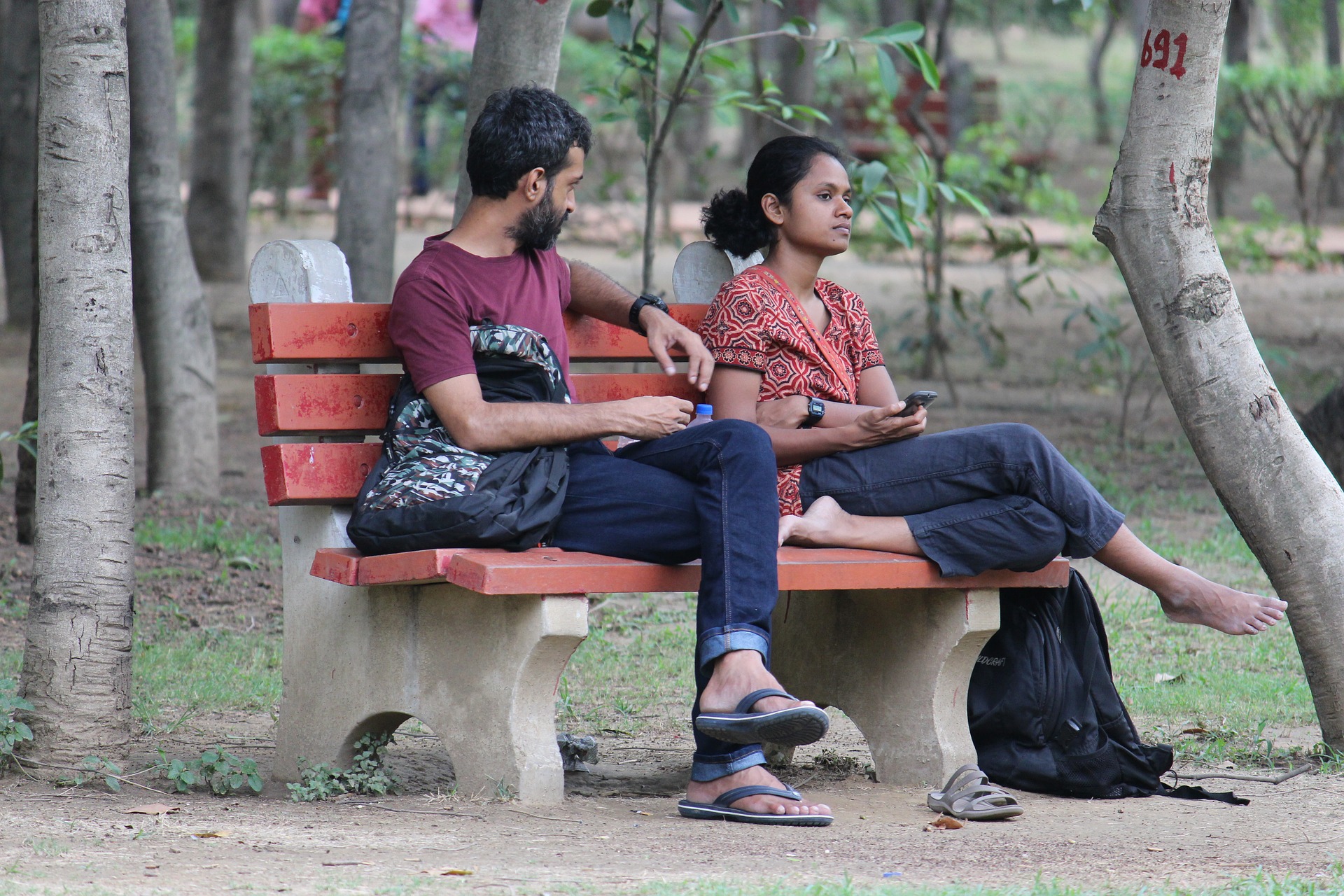
Relationships are central to our health and wellbeing and can be one of the most rewarding aspects of our life. There can be nothing more important than having someone to whom you can speak, and to know that they care for your welfare. Friendships can permeate your life and have an impact on your career, marriage, family, children and health – they can enrich your existence every day.
However, for a friendship to work, there has be a balance between the two parties – not one person having their needs met whilst others are overlooked.
Of course, not all relationships prove to be long-lasting. Unfortunately, there are instances when a friendship can turn sour and instead of it bringing happiness into your life, it deteriorates and starts to do more harm than good.
Noticing a change
You may not notice the change immediately although you do start to wonder what has happened. You are aware that you’ve recently started to screen your phone-calls to avoid speaking to someone who leaves you feel mentally drained, exhausted and who is often instrumental in bringing about a negative shift in your mood that can remain with you for the rest of the day. At first, you believe that it is your feelings that have changed but then, when you think about it, you realize that it is the attitude of your friend that has altered. Certainly, the relationship is not as it was. The days when you used to anticipate seeing each other are now dreaded. After spending time with them, you feel down. You now see that whilst the relationship in the early days was fun and even exciting, it is now stale and sometimes even toxic. You make excuses to yourself for the other party’s behaviour, and to your other friends who have commented on your mood swings. Anything, but to address what is really going on in your relationship. You remind yourself that you have known this person for many years and so you try and hold onto what you had in the past rather than what you now have in the present.
 The problem is that relationships are always subject to change because they involve our emotions, and these emotions and those of our friends are influenced by varied factors – many of which we, and they, have little control. And this is invariably reflected in our mood and/or behaviour.
Some close friendships can, of course, just drift apart naturally when the interests that initially joined them together, slowly or suddenly, come to an end.
In all these cases, you worry about what to say and how to frame your words. The friendship that had grown over a period of time has now become more of a duty because the factors that initiated it in the beginning have either changed, disappeared or become redundant and you have no script on how to bring it to an end.
You know you don't want to intentionally upset the other person involved but you also know that it will not be easy and that they will be hurt. So you formulate a script in your head and maybe rehearse it a few times in the mirror before the dreaded day.
Breaking the news
There is no question that it is difficult to end any friendship but once you have made the decision to close the chapter, then it is important to be clear with the person about your intentions. Crucially, it’s essential to let them know that you’re ending the friendship because of the way it makes you feel – not because of who they are as an individual. Although relationships may be based on ethnicity or cultural interests, they are maintained by emotion. Unfortunately, we are usually unable to control our emotional responses either to
another person or even to inanimate factors such as the environment. That means that sometimes we all have to make changes in our personal life – changes that will enable us to grow and move on.
The question to ask yourself is, can you see your present friendship as a part of your future? And if you cannot, then maybe it’s time to let it go.
Key Points
- Friendships enhance our lives
- Relationships, like the weather, always change
- Sometimes, breaking bonds is a necessity

If you ask someone how they feel, they will usually reply ‘OK’, but very often that may not be true. Ask a teenager how they feel and the chances are they will say ‘cool’, a euphemism for ‘OK’. But all too often, that reply of ‘OK’ is meaningless.
Lonely people tend to keep their feelings private and this can be a problem that affects the establishment and maintenance of new and existing inter-personal relationships.
How do lonely people fill their time?
Today’s social media makes it easy to connect with on-line ‘friends’, subscribe to special interest groups (SIGs), contribute to panel discussions, write and read online blogs or play video games. Individuals can become expert at online activities but the effect of which is to prevent them from meeting real people, in real time. Virtual activities are OK to fill in activity gaps but are no substitute for engaging in real one-to-one conversations and meetings with live people. Human contact is essential to mental stability and to engender and reinforce feelings of self-worth and personal esteem. These are benefits that one cannot gain from online activity.
 Very often, lonely people just sit around and wait for the phone to ring. They insist on being reactive, instead of pro-active, and then wonder why no-one calls them. But what about being pro-active
and calling them? It’s all about having the confidence to make the first move and not take it as a personal rejection if the other person says they are unable to make a particular time to meet you. The reason that they may not have contacted you is because you may have ‘fallen off of their radar’ for someone to go out with. And who knows, they may have been waiting for you to invite them out! Don’t forget it takes two to tango!
Loneliness isn’t just a social problem exclusively for the older age group. It affects people of all ages as it is very easy to get out of the habit of communicating and socialising.
 People of all ages can feel insecure and anxious or have low self esteem. One of the suggestions I often make is to mix the generations –older to younger and vice versa. They can each help the other in more ways than one. The older generation have the experience and the younger generation have freshness of youth and the advantage of inexhaustible energy.
My proposal is to bring them together in various interest groups – dancing, writing, singing, walking, sports, driving, decorating, photography etc. Get them talking and communicating and see healthcare costs go down for the older members as they gain a new focus in their lives and have other things to think about other than their health, whilst the life of the younger person can be enhanced by making a difference to someone else and learning valuable lessons along the way. When various age groups interact, they all gain by the interchange of ideas, the swapping of experiences and the discussion of future hopes and aspirations. There is no necessity for anyone to be, or to feel to be, alone. In all levels of society, there is common ground and common interests.
If people are encouraged, then the chances are they will gain in confidence and it could be made easier for them to explore opportunities.
Key Points
If you are pro-active, you will rarely be lonely
Switch-off the computer and switch-on your personality
Get out and make yourself available and fun to be with

Sonya, is a Sales Manager in a Pharmaceutical company, a position that had taken her over 10 years to attain. She prides herself on her communication skills but at her appraisal meeting, she was told that her formal and blunt emailing style needed to be more ‘friendly’. She was very surprised and argued that the quantity of email that she had to deal with each day, meant that each one had to be actioned quickly, and with no real time for pleasantries.
Which leaves the question: could formal and blunt email messages be taken by the recipient as a form of cyber bullying? The answer is, ‘No!’. Cyber-bullying is writing with the intent to humiliate an individual by publishing adverse comment about him or her.
Although Sonya never does this, nevertheless her style of writing which is terse and short could be taken by the recipient as ‘unfriendly’ – which may not be termed ‘bullying’ but will nevertheless not make her addressee feel valued. Each time someone were to receive an email from her, it would seem like she is giving a directive or a command. Now, you may say that is what she is doing. However, I would say to you that there are better ways of getting the most out of others and that is not by making them feel that they are automaton. People like to feel valued and appreciated for not only what they do but who they are.
So where is the line between a direct and blunt, personal management style and bullying behaviour?
Many of us receive over fifty emails per day and our aim is to try to clear our inbox as quickly as possible, but in our haste, we may write in a way that can offend or which can appear as unnecessarily abrupt. When emailing, we very often ignore the usual courtesies that we use when writing a letter. Many times emails are received, and written, with no subject header but just the bare message, with the result that the words often appear to be harsh.
Do you remember the days when you would receive a letter by mail with a handwritten signature – instead of one that was scanned electronically? Unfortunately, such personal correspondence is now a thing of the past.
So what can you do about it?

- Never answer email if you are angry or emotional. If you wish to ‘let off steam’, then do so but put the email into your ‘draft’ box, as you may not wish to send it in the morning!
- When you have written your email, read it as if you were the person receiving it.
- Try and use words or phrases such as ‘I appreciate’, ‘you have done a great job’, ‘many thanks’, ‘you have done really well’, etc.
- Don’t copy in your emails or texts to the whole office when you don’t need to!
- Don’t send out emails late at night and set a poor example for working long hours
- Don’t make your messages ‘high-priority’ unless it is really urgent.
- If you need to be direct with someone – think of the words that you say BEFORE you write them.
- If you have sent an email and are not happy with what you have written, then pick up the phone and tell them, in advance.
- When have finished the email, then read it as if you were the one who is about to receive it. If you are happy with it, then send. If not, then revisit.
If you manage your emails and texts correctly and give praise at the appropriate time, then when you need to criticise, there will be a balance.
We tend to forget that once an email has been sent, then it is there for all time. We cannot retract what has been put down on paper, but we can use the ‘old fashioned’ means of saying ‘I’m sorry’ if upset has been caused.
Key Points
- Emails & texts show no emotion
- Give appreciation in your emails
- Electronic messaging needs care
PS And the same goes for your personal relationships as well as your business relationships
Procrastination Kills Opportunities
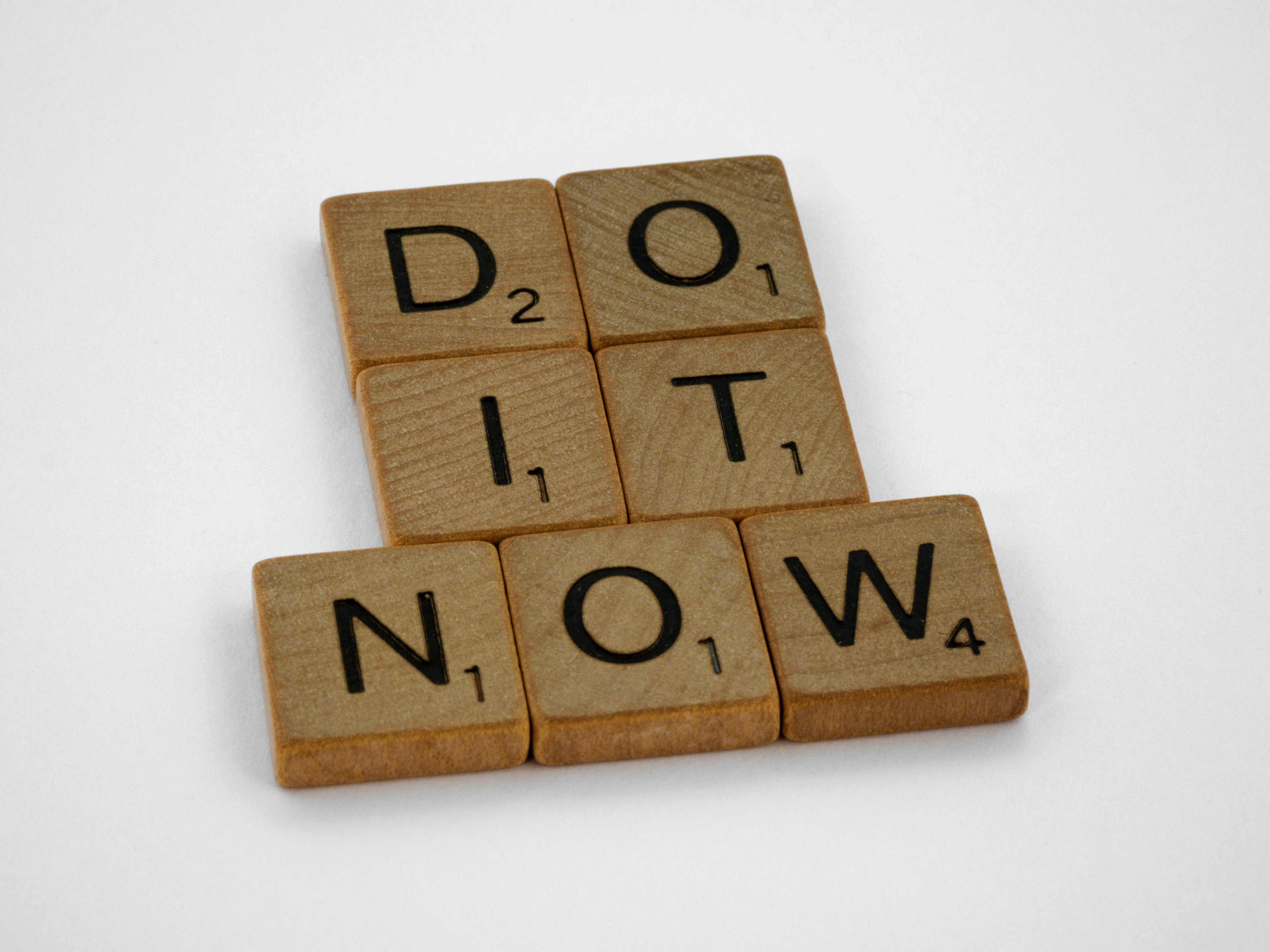 In 2011, an Englishman whose ambition was to climb Mount Kilimanjaro, the highest point in Africa before he turned 70, achieved his goal, only to die shortly after sending his wife a text from the summit. Alistair Cook suffered a heart attack as he descended and his final message to his wife read ‘Reached the summit at 09.50, feel exhausted but so happy’.
This story begs the questions: Is it ever too late to realise our dreams? Is there any time limit? Do we have to wait for retirement when we may be less fit than we are now, or when we have lost drive and motivation as our energy levels eventually fall?
Your dream could be scuba diving with dolphins, meeting the partner of your dreams, studying for an MBA, opening your own business, building your own house, buying a Harley bike, going on safari, mentoring others to pass on your skills to the next generation – or maybe just to lie on the beach in Florida on the Gulf of Mexico. The reality is, however, that many of us never see that dolphin, because we just let the days tick by, and we lose our focus and direction. And then, for many reasons, it is often too late. The time for personal action is now. Today is real. Tomorrow is never here.
My own stress
 I remember telling my publisher, LexisNexis, when I finished my first book ‘Tolley’s Managing Stress in the Workplace’ that it would be my first and last as I had found the whole experience incredibly stressful - the irony being that the book was about stress management! However, five years later, my third book ‘Show Stress Who’s Boss!’ was published. The point being that in each of us, our goal posts move with time, and it is important that we are open to these changes.
So why not take a minute, now, and write down three things you really want to do after your own children leave home for university and your hair goes grey? What dreams do you have when you finally have the time and space?
Don’t forget that we human beings love to procrastinate. In life, there are many wakeup calls. It is only when we hear of someone dying at a young age, that we stop for a moment and note that it puts our own life into perspective, and we should resolve to live every day as if it were our last. But this thought is transient, and soon we revert to our old ways again.
So don’t let life pass you by as you sit in front of a computer screen. Don’t let stress get in the way of your creativity and innovation. When you can’t ‘see the wood for the trees’, then maybe this is the time to reassess where you are and what you are doing. Sometimes, you can do this alone and at other times you may need a neutral, objective person who will listen to you - someone who is totally there for you, to help look at how you manage your daily activities, your family life, your work life, and your aspirations.This person will hold you accountable for what it is that you want to do. When you tell someone else that you are going to take a specific action, then you start to become accountable. When you have idea that is only inside your head, it is easy to put it to one side.
The first step is to write down what it is that you want to do, to experience, where you want to go, what you want to achieve, who you want to meet. Writing it down converts it from just a thought to an ‘action needed’. Stick the note on the wall, by your bed, in the kitchen, on the TV. Wherever it will remind you that if you want something badly enough, you must take some action to get it started. Try now! Find the pencil and start writing. And I will meet you on the beach in Florida or maybe in the Bismarck Hut on the way up to the snows of Kilimanjaro.
Key Points
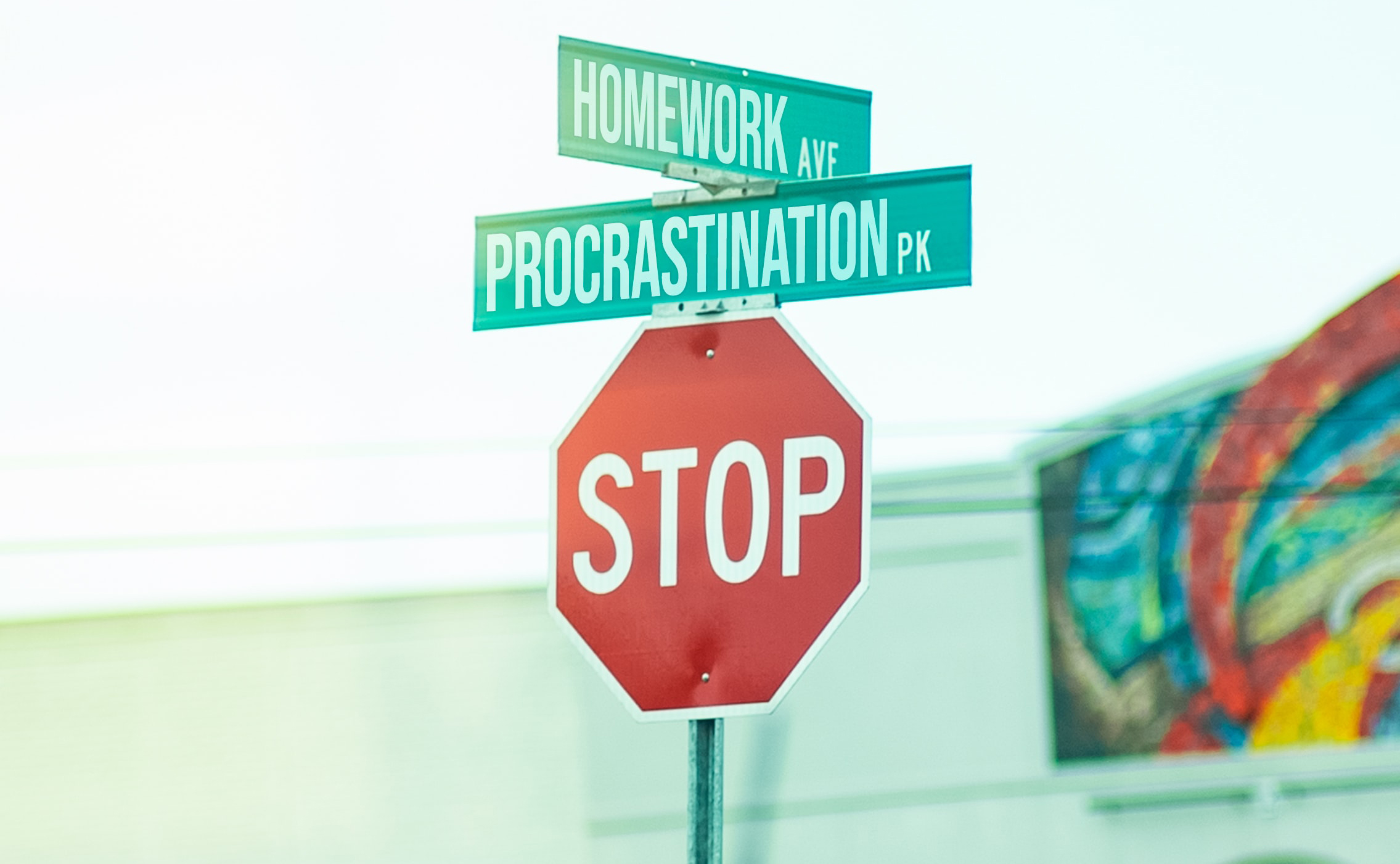
- There is no time-limit on dreams
- Today is here. Tomorrow is always yet to come.
- Write your dream down and commit to it!


 Blog
Blog